MTConnect
Standardized protocol enabling real-time data exchange from CNC machines for enhanced visibility.

Mixed Machine Support
No equipment standardization required. No separate systems per brand. One unified view of your entire shop floor.
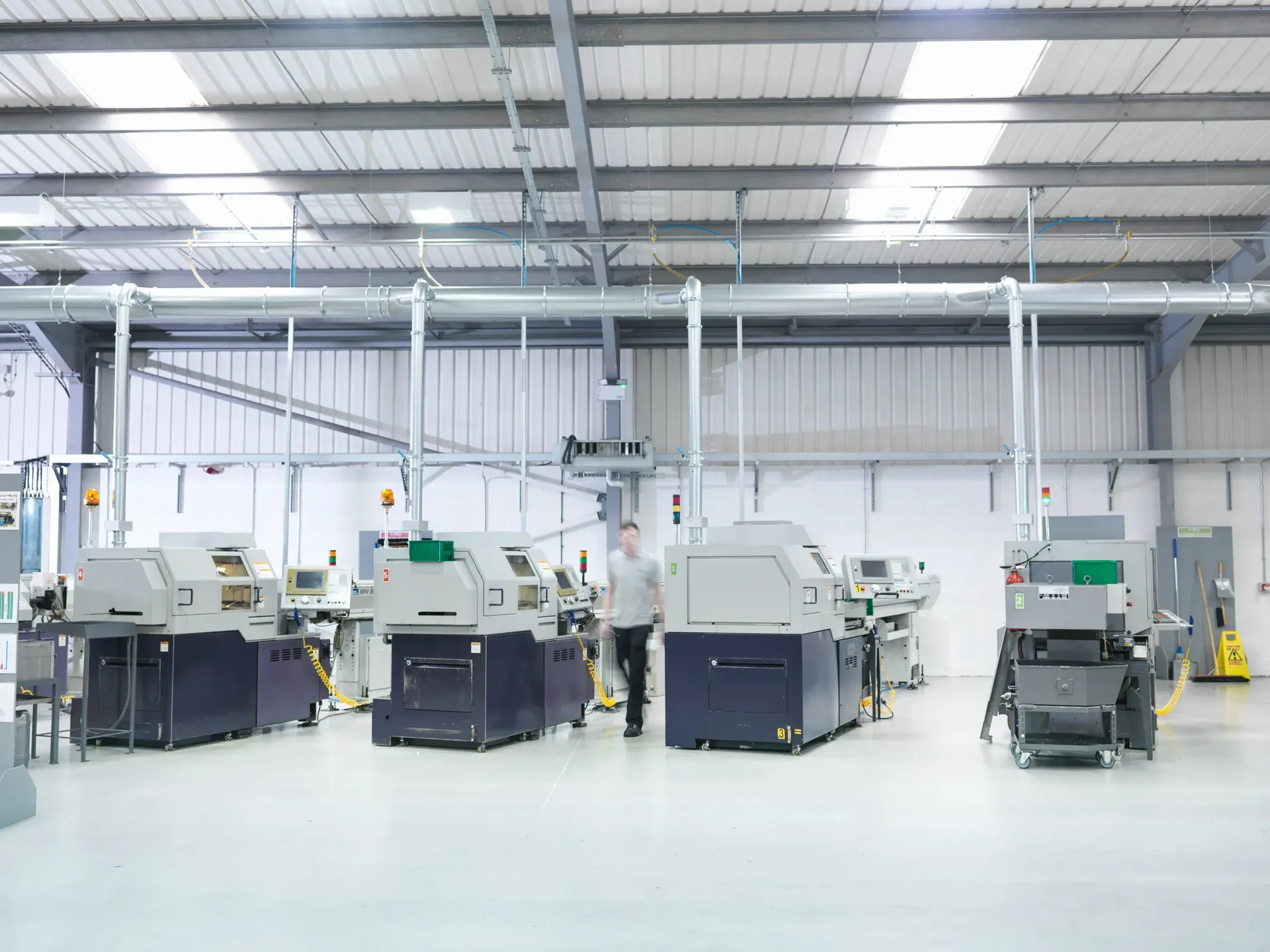
Most shops run multiple machine brands, controls, and vintages. Atsora expects that. No equipment standardization required. No separate systems per brand. One unified view of your entire shop floor.

Your shop floor probably looks like this:
That's normal. Atsora handles it.
Atsora integrates seamlessly with multiple CNC communication protocols to provide comprehensive machine monitoring and data insights.
Standardized protocol enabling real-time data exchange from CNC machines for enhanced visibility.
Direct connection to Fanuc controls allowing detailed machine status and performance monitoring.
Supports Okuma’s proprietary protocol for accurate data capture and machine integration.
Compatibility with Siemens and Heidenhain protocols ensures broad coverage across diverse CNC equipment.
Integration with Mazak controls to deliver precise operational data for mixed-machine environments.
In early 2025 Makino began marketing their own monitoring process. Atsora is the first 3rd party vendor they partnered with to provide access to their MML library with their MQTT protocol.
Retrofit connections for machines without native networking
Retrofit connections for machines without native networking
Full control-level integration from day one
One dashboard, one data structure, one analysis platform
All monitored with same system
Merged two shops
Now have Okuma, Doosan, and Haas
Unified reporting without replacing anything
Adding automation cells to existing manual environment
Integrated monitoring old and new
No sales pressure. Just a practical 15 - 20 minute discussion about what your machines are telling you.